Parisian museums are invaluable cultural treasures that attract millions of visitors each year. Paris, the capital of art and culture, is brimming with museums that bear witness to history, art, and human creativity. From the unmissable Louvre Museum to charming neighborhood museums, Parisian museums offer the chance to discover centuries of history and art in often spectacular settings. In this article, we’ll explore the most famous Parisian museums, as well as some lesser-known institutions that deserve your attention.
Paris, the City of Lights, is also a city of museums. More than 130 museums are scattered throughout the French capital, each offering a unique perspective on history, art, or science. Whether you are passionate about art history, architecture, or new technologies, there is a museum in Paris that will pique your curiosity. This wealth of museums allows you to discover human ingenuity, significant artistic periods, and objects of rare beauty.
The museums of Paris are not only places of learning, but also spaces for contemplation, dialogue, and inspiration. They represent the cultural and artistic diversity of the capital and house collections from all over the world. Whether you are a lover of classical art, contemporary art, or even natural history, Paris has something to satisfy your tastes.
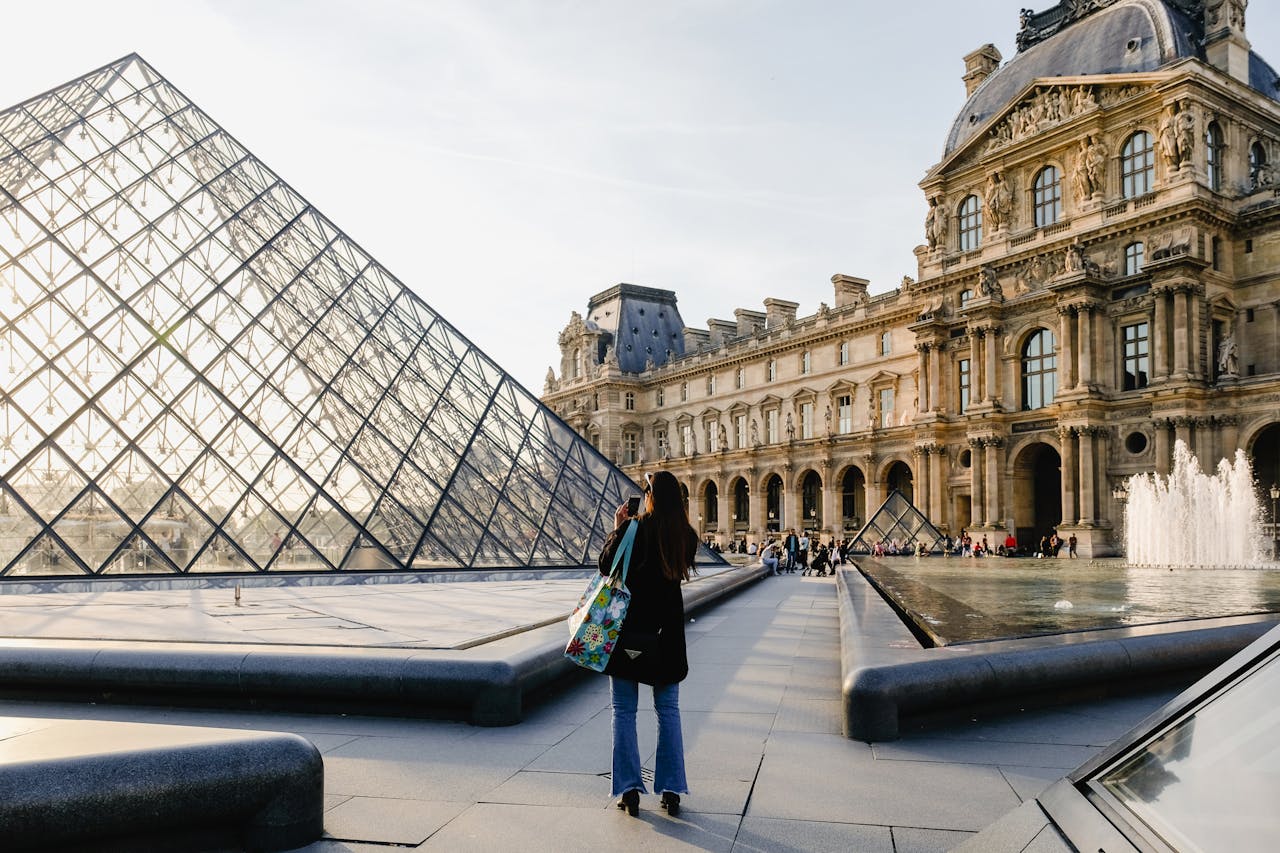
The Louvre is undoubtedly one of the most iconic museums in Paris, if not the world. With its iconic glass pyramid, it welcomes millions of visitors every year. A former residence of the kings of France, the Louvre Museum houses some of the most famous works of art, such as the Mona Lisa , the Venus de Milo , and The Raft of the Medusa . This museum is a place where civilizations from around the world meet, and it offers a glimpse into humanity’s greatest works, from antiquity to the 19th century.
Exploring the Louvre is like traveling through time and space, from ancient Egypt to the Italian Renaissance. Its vast galleries allow visitors to discover famous works, but also lesser-known treasures. With an exhibition area of over 72,000 square meters, it’s impossible to see everything in a single visit. For the best experience, it’s recommended to focus on a few sections or take a guided tour.
Located in a former train station, the Musée d’Orsay is a must-see for lovers of Impressionist and Post-Impressionist art. The museum houses major works by Monet , Renoir , Van Gogh , and Degas , to name just a few. Its collection offers a fascinating overview of artistic developments from the second half of the 19th century to the beginning of the 20th century.
The architecture of the Musée d’Orsay itself is worth a visit, with its grand clock and spaces bathed in natural light. Its galleries allow for total immersion in the masterpieces of the Impressionist period, an era that radically transformed art by emphasizing color, light, and subjects from everyday life.
The Centre Pompidou , also known as Beaubourg, is a unique place, both for its bold architecture and its exhibitions of modern and contemporary art. Featuring artists such as Picasso , Matisse , and Duchamp , this museum is distinguished by its collection of 20th-century works that continue to shape art history. Its building, with its colorful pipes and avant-garde design, has become a symbol of modernity in Paris.
In addition to its permanent exhibitions, the Centre Pompidou offers numerous temporary exhibitions and a variety of cultural events. Visitors can also enjoy breathtaking views of Paris from the top floor, an ideal spot to admire the city while soaking up the artistic atmosphere of the place.
The Petit Palais, located near the Champs-Élysées, is a museum often overlooked by tourists but absolutely worth a visit. With its free admission and impressive permanent collections, it is a haven of peace and beauty. It houses works by Courbet , Delacroix , and Ingres , as well as a collection of objets d’art dating from antiquity to the Belle Époque. Temporary exhibitions, often free or at reduced prices, also offer a glimpse into contemporary art.
The Petit Palais’s inner garden is an ideal place to relax after exploring the galleries, surrounded by exotic plants and a charming café where you can unwind. The neoclassical architecture of the building itself is breathtaking and offers a glimpse into Paris’s rich artistic heritage.
The Rodin Museum, housed in an elegant mansion and surrounded by a magnificent garden, is entirely dedicated to the works of the renowned sculptor Auguste Rodin . Here you can admire The Thinker , The Gates of Hell , and other iconic sculptures. The museum’s garden is particularly prized for its peaceful atmosphere and natural beauty, which perfectly complement Rodin’s works displayed outdoors.
The museum offers an immersive experience in the world of sculpture and allows visitors to understand Rodin’s genius and his influence on the art of sculpture. It is a must-see for art lovers, but also for anyone wishing to enjoy a moment of peace surrounded by striking works of art.
The Musée de l’Orangerie , located in the Tuileries Garden, is world-renowned for its room dedicated to Claude Monet ‘s Water Lilies . These immense canvases, arranged in a circle, immerse visitors in a world of color and light, offering an almost immersive experience. In addition to the Water Lilies, the museum also houses the Walter-Guillaume Collection , which features works by Renoir , Cézanne , Modigliani , and Picasso .
Paris is brimming with museums dedicated to its history.
Other museums such as the Paris Sewer Museum or the Montmartre Museum allow you to discover little-known but fascinating aspects of Parisian history.
The Picasso Museum , located in the Marais district , houses one of the world’s most important collections of Pablo Picasso ‘s works . It includes paintings, sculptures, drawings, prints, and documents that trace the artistic evolution of the Spanish master. The museum is housed in a magnificent 17th-century mansion, a setting that provides an interesting contrast to Picasso’s bold and modern works.
The Jacquemart-André Museum is unique in that it was originally a private residence. This mansion, located in Paris’s 8th arrondissement, was built in the late 19th century to house the private art collection of Édouard André and Nélie Jacquemart. The elegance and refinement of the place are remarkable: each room is carefully arranged to display European Renaissance artworks, sculptures and 18th-century objets d’art.
This museum is a true journey through time. As you visit the salons and galleries, you feel as though you are walking in the footsteps of 19th-century aristocracy, while admiring masterpieces by Rembrandt, Botticelli, and Van Dyck. It is a true hidden gem that appeals to art lovers and history buffs alike.
The Museum of Arts and Crafts is a tribute to human invention and ingenuity. It houses one of the oldest and most impressive collections of scientific and technological objects in Europe. Founded in 1794, it showcases innovations ranging from mechanics to transport, communication and astronomy.
Among the museum’s centrepieces are the famous Foucault pendulum, which demonstrates the Earth’s rotation, and the very first steam-powered car. The museum is divided into different thematic sections that help visitors understand the evolution of technology and science over the centuries. It is a fascinating place for science history enthusiasts, as well as for those who are curious to better understand the impact of technology on our modern lives.
Located in the prestigious Les Invalides complex, the Army Museum is a must-see for military history enthusiasts. The museum traces the history of the French armed forces from the Middle Ages to the present day. It displays weapons, uniforms, battle models, and numerous military objects of inestimable historical value.
The highlight of the visit is undoubtedly Napoleon Bonaparte’s tomb, located in the majestic Dôme des Invalides church. This monumental tomb attracts thousands of visitors every year who come to pay homage to one of the most famous figures in French history. The museum’s galleries offer a fascinating journey through the major conflicts that shaped Europe and the world, from the Middle Ages to the world wars.
The Musée du Quai Branly , designed by architect Jean Nouvel , is dedicated to the arts and civilizations of Africa, Asia, Oceania, and the Americas. With its green facade and innovative spaces, this museum is a true invitation to explore the cultural and artistic diversity of non-European peoples.
The permanent collection features over 3,500 works, including sculptures, masks, textiles, and ritual objects from distant civilizations. The museum highlights the richness of non-Western cultures, often underrepresented in major art museums. Temporary exhibitions explore diverse themes such as ethnographic photography and textile traditions. Wandering through this museum, one has the feeling of traveling across continents and through history.
The Musée Marmottan-Monet is a veritable treasure trove for lovers of Claude Monet and the Impressionists. Located in the 16th arrondissement, this museum houses the world’s largest collection of Monet’s works, including the famous painting Impression, Sunrise , which gave its name to the Impressionist movement. Spanning his entire career, Monet’s works allow visitors to trace the evolution of his style, from the landscapes of Giverny to the celebrated Water Lilies series .
Besides Monet, the museum boasts a significant collection of works by other Impressionist painters such as Berthe Morisot , Pissarro , and Renoir . It is a more intimate museum than other Parisian institutions, allowing visitors to admire the paintings in a calm and serene setting, ideal for an immersive art experience.
The Fragonard Perfume Museum is a unique museum that invites you to discover the history of perfume, an essential element of the French art of living. Located a short walk from the Opéra Garnier, the museum showcases the time-honored techniques of perfume making and displays historic perfume bottles.
Visitors can learn about the art of distillation, the raw materials used to create perfumes, and the evolution of fragrance trends throughout the centuries. The museum also offers olfactory workshops, allowing visitors to create their own perfume—a sensory experience not to be missed.
Paris boasts a wealth of unusual museums for those seeking unique experiences. Among them, the Museum of Magic , located in the Marais district, is a fascinating place that immerses visitors in the world of illusion and magicians. It houses a collection of magic-related objects, automata, and even live shows for all ages.
Another unusual museum is the Museum of Hunting and Nature , one of the strangest and most intriguing museums in Paris. Located in a private mansion in the Marais district, this museum explores the relationship between humans and animals through works of art, hunting weapons, and taxidermied specimens.
Paris is a city where art is accessible to all, and several museums offer free admission, either permanently or on certain days of the month. Among the museums that are always free are the Petit Palais , which boasts an impressive collection of artworks, and the Musée d’Art Moderne de la Ville de Paris , which exhibits masterpieces of contemporary art.
Major museums, such as the Louvre Museum and the Musée d’Orsay , are also free every first Sunday of the month for all visitors, an exceptional opportunity to discover artistic treasures without entrance fees.
Paris is a city where children can have fun while learning. The Cité des Sciences et de l’Industrie (City of Science and Industry) , located in La Villette, is a must-see museum for families. It offers interactive and engaging exhibits that allow children to discover science while having fun. It also houses the Cité des Enfants (Children’s City ), a space specially designed for younger children, with age-appropriate activities.
The National Museum of Natural History is also a favorite with children, with its dinosaur skeletons and galleries filled with fascinating creatures. Parisian museums aren’t just for adults; they also offer plenty of educational and fun activities for younger visitors.
In short, Parisian museums are much more than just exhibition spaces. They tell stories, preserve heritage, and invite reflection. From classical art to scientific inventions, from Impressionist treasures to archaeological discoveries, each museum in Paris has its own unique world to explore. Whether you’re an art, science, or history enthusiast, Paris offers a vast array of cultural experiences. So, take the time to immerse yourself in the rich museum scene of this city that never ceases to amaze its visitors.
Join thousands of parents who trust My Fluent French to teach their children French.