Newly Arrived Child: How to Successfully Learn French
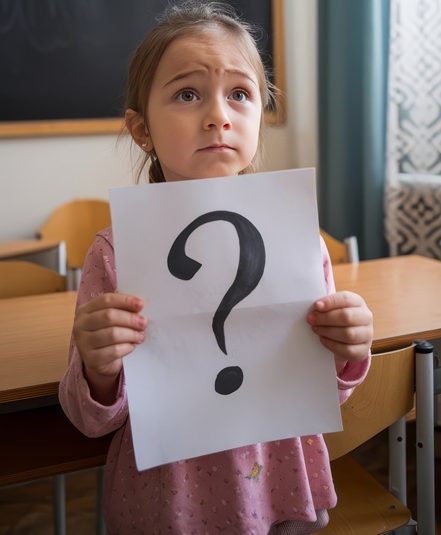
When a child arrives in a new country, one of the biggest challenges is learning the language. For newly arrived children, mastering French is essential to succeed at school, communicate, and integrate into their new environment.
But how can a child learn French quickly and effectively?
In this guide, we explain everything in a simple and practical way.
What is a newly arrived child?
A newly arrived child is a student who has recently entered a country and does not yet master the language of schooling.
In most cases:
- the child has been in the country for less than one year
- they may or may not have been previously schooled
- they do not yet speak French fluently
These children are often integrated into specific support programs designed to help them learn the language and adapt to school.
Why is learning French essential?
Learning French is the key to success for newly arrived children.
It allows them to:
- understand lessons
- communicate with teachers and classmates
- integrate socially and culturally
- build confidence
School plays a crucial role, as it is the main environment where children develop language skills and integrate into society.
The main challenges faced by newly arrived children
Learning a new language is not easy, especially for a child.
1. Language barrier
At the beginning, the child may not understand anything in class, which can create frustration.
2. Academic gap
Some children may have had little or no schooling in their country of origin.
3. Emotional impact
Moving to a new country can be stressful and affect learning ability.
4. Cultural differences
Different school systems and expectations can make adaptation more difficult.
The best methods to learn French quickly
To help a newly arrived child progress, it is important to use effective and adapted methods.
1. French as a Foreign Language (FLE)
FLE is a structured approach designed for non-French speakers.
It focuses on:
- oral communication first
- repetition and practice
- intuitive learning
FLE is often the first step before mastering academic French.
2. Progressive immersion
Children learn faster when they are exposed to the language daily:
- at school
- with friends
- through games and activities
3. Learning through everyday situations
Using real-life situations helps children understand faster:
- asking for help
- introducing themselves
- describing objects
4. Regular practice
Consistency is key:
- short daily exercises
- repetition of vocabulary
- simple writing and speaking tasks
The role of French as a Second Language (FLS)
After learning basic communication, children must learn academic French.
This is called French as a Second Language (FLS), which helps them:
- understand school subjects
- read and write properly
- follow lessons independently
FLS acts as a bridge between basic communication and full academic mastery.
The importance of digital tools
Today, digital tools play a key role in language learning.
They allow children to:
- learn at their own pace
- practice regularly
- stay motivated
👉 Platforms like My Fluent French offer structured exercises designed specifically for children learning French as a foreign language.
They are especially useful for:
- newly arrived children
- non-French-speaking students
- children in international schools
How to support your child at home
Parents play an essential role in the learning process.
Here are some simple tips:
- encourage daily exposure to French
- practice speaking without fear of mistakes
- use games, videos, and simple books
- celebrate progress
The goal is to create a positive and supportive learning environment.
Key takeaways
- Newly arrived children need to learn French quickly to succeed
- FLE is the first step in language learning
- FLS helps them succeed academically
- Regular practice and immersion are essential
- Digital tools can significantly accelerate progress
FAQ
How long does it take for a child to learn French?
It depends on age and exposure, but significant progress can be made within a few months with proper support.
Can a child learn French alone?
No, structured guidance and regular practice are necessary.
What is FLE?
FLE (French as a Foreign Language) is a method designed for non-French speakers.
What is the difference between FLE and FLS?
FLE focuses on communication, while FLS focuses on academic language needed for school.